
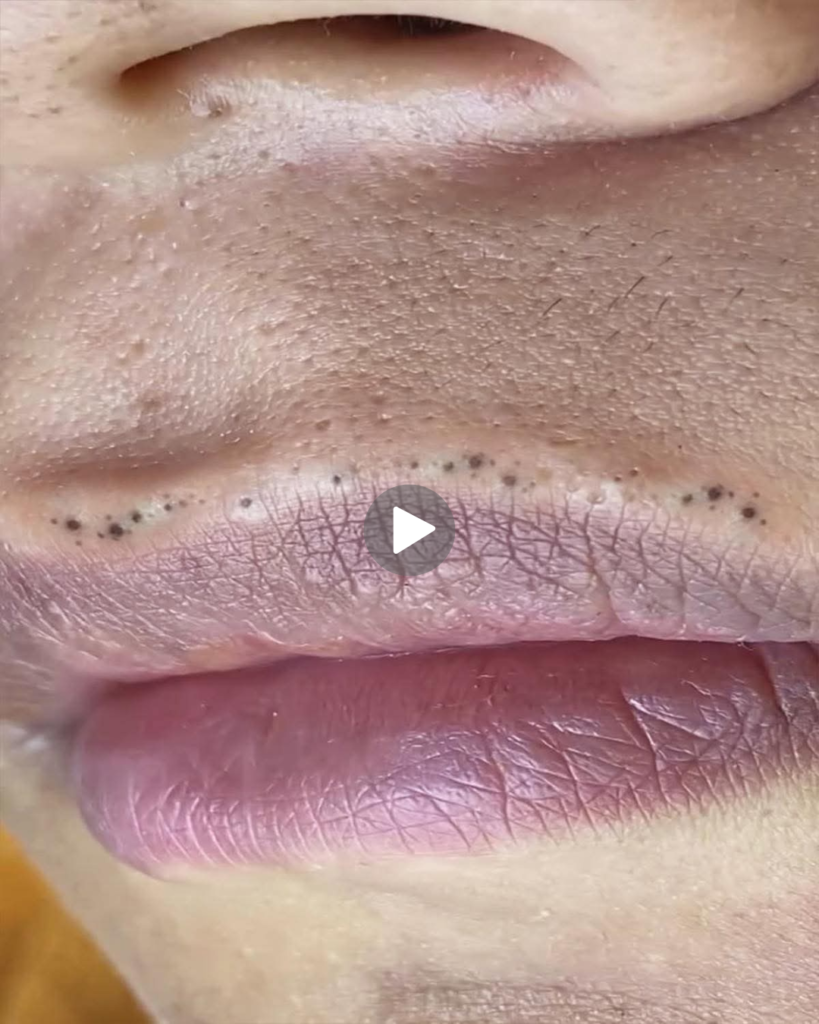
Upper lip acne can be frustrating, painful, and sometimes embarrassing. Unlike acne on other parts of the face, pimples above the lip are more noticeable and can interfere with daily activities like eating, talking, or even smiling confidently. This sensitive area is prone to breakouts due to hormonal changes, poor hygiene, hair removal methods, and clogged pores.
If you’re struggling with acne on your upper lip, don’t worry. There are simple, effective, and natural ways to treat and prevent it. In this article, we’ll explore 6 powerful methods to get rid of upper lip acne and keep your skin clear and healthy.
1. Keep the Area Clean and Oil-Free
The first and most important step in treating upper lip acne is maintaining proper hygiene. The area around your mouth is exposed to food particles, sweat, and bacteria, which can clog pores and lead to breakouts.
Wash your face twice daily using a gentle cleanser that suits your skin type. Avoid harsh scrubs because the skin above the lip is delicate and can get irritated easily. After eating, make it a habit to wipe your mouth area clean to prevent oil and food residue from settling into pores.
Also, avoid touching your face frequently. Your hands carry bacteria that can worsen acne.
2. Use Natural Remedies Like Honey and Aloe Vera
Natural ingredients can be very effective in soothing inflammation and healing acne without causing side effects.
Honey has antibacterial properties that help kill acne-causing bacteria. Apply a small amount of raw honey to the affected area, leave it on for 10–15 minutes, and rinse with warm water.
Aloe vera is another powerful remedy. It reduces redness, swelling, and irritation while promoting healing. Apply fresh aloe vera gel directly to the upper lip area before bedtime and leave it overnight.
These natural treatments are gentle and suitable for daily use.
3. Avoid Hair Removal Irritation
Upper lip acne is often linked to hair removal methods like waxing, threading, or shaving. These techniques can irritate the skin, causing inflammation and clogged pores.
If you frequently get acne after hair removal:
- Use a clean and hygienic method
- Avoid waxing if your skin is sensitive
- Apply a soothing gel or ice after hair removal
- Do not touch or rub the area immediately after treatment
Switching to gentler methods or reducing the frequency of hair removal can significantly reduce breakouts.
4. Choose Non-Comedogenic Skincare Products
Many skincare and cosmetic products contain ingredients that clog pores, especially around the upper lip area. Heavy creams, oily foundations, and lip balms can contribute to acne formation.
Always choose products labeled non-comedogenic, meaning they won’t block pores. Look for lightweight, oil-free formulas that allow your skin to breathe.
Also, avoid applying too much makeup near the upper lip. If you do use makeup, make sure to remove it completely before sleeping.
5. Maintain a Healthy Diet
Your diet plays a big role in skin health. Oily, sugary, and processed foods can trigger acne by increasing oil production and causing inflammation in the body.
To reduce upper lip acne:
- Drink plenty of water to keep your skin hydrated
- Eat fresh fruits and vegetables rich in vitamins
- Avoid excessive junk food and sugary drinks
- Include foods high in zinc and omega-3 fatty acids
A balanced diet not only helps clear acne but also improves your overall skin glow.
6. Manage Hormonal Changes and Stress
Hormonal imbalances are one of the most common causes of acne, especially around the mouth and chin area. Stress can also trigger breakouts by increasing hormone levels that stimulate oil production.
To control hormonal acne:
- Get enough sleep (7–8 hours daily)
- Practice stress-relief techniques like meditation or exercise
- Maintain a regular skincare routine
- Consult a doctor if acne is severe or persistent
Managing your lifestyle can make a big difference in reducing acne over time.
Additional Tips to Prevent Upper Lip Acne
Along with the six main methods, here are some extra tips to keep your skin clear:
- Change your pillowcase regularly to avoid bacteria buildup
- Avoid licking your lips frequently, as saliva can irritate the skin
- Use clean towels and avoid sharing personal items
- Do not pop or squeeze pimples, as it can cause scarring
Consistency is key when it comes to skincare. Small daily habits can lead to long-term results.
When to See a Dermatologist
If your upper lip acne is severe, painful, or not improving with home remedies, it may be time to consult a dermatologist. They can recommend treatments such as medicated creams, antibiotics, or specialized therapies tailored to your skin type.
Ignoring persistent acne can lead to scars and skin damage, so early treatment is important.
Conclusion
Upper lip acne may seem like a small issue, but it can affect your confidence and comfort. The good news is that with proper care, it can be treated effectively. By keeping the area clean, using natural remedies, avoiding irritation, choosing the right products, maintaining a healthy diet, and managing stress, you can achieve clear and healthy skin.
Remember, skincare is not about quick fixes—it’s about consistency and patience. Follow these 6 effective methods regularly, and you’ll notice a significant improvement in your upper lip acne over time.