
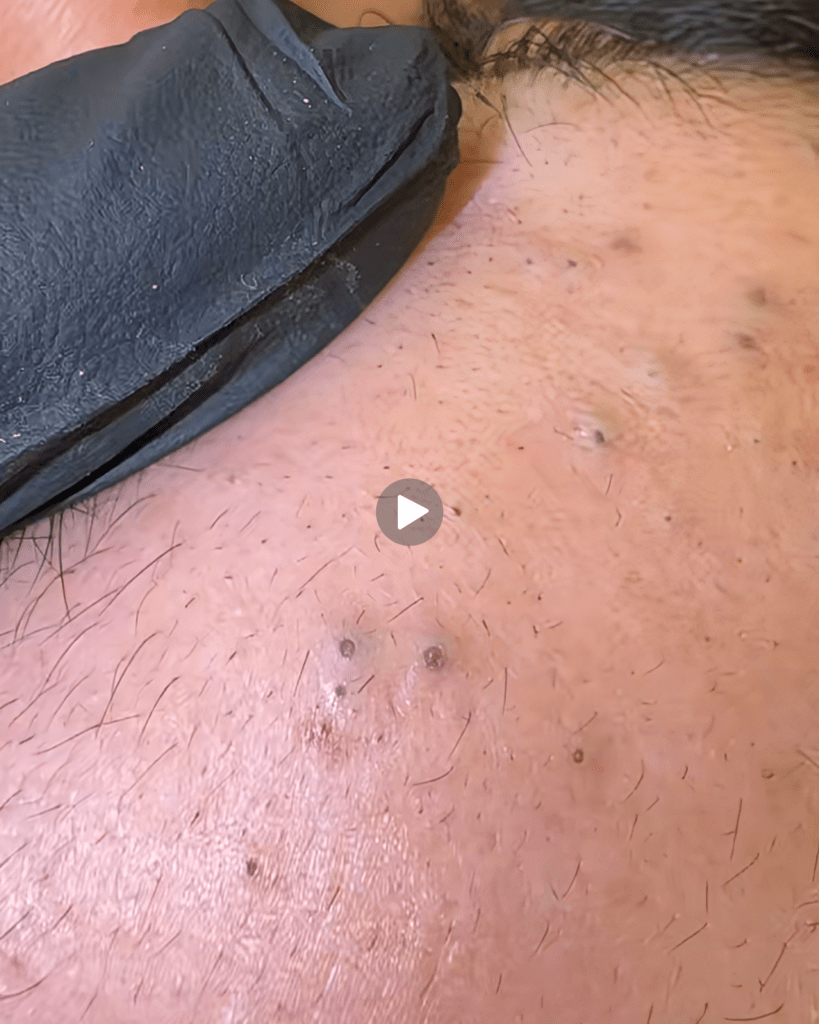
Black spots on the face—also known as dark spots or hyperpigmentation—are one of the most common skin concerns affecting people of all ages. These spots can make your skin look uneven and dull, impacting your confidence. The good news is that understanding their causes can help you prevent and treat them effectively.
In this article, we’ll explore the top 5 causes of black spots on the face, along with practical solutions to achieve clearer, glowing skin.
What Are Black Spots on the Face?
Black spots are small patches of skin that become darker than the surrounding area due to excess melanin production. Melanin is the pigment responsible for your skin color, and when it’s produced unevenly, it leads to dark spots.
They can appear anywhere on the face—cheeks, forehead, nose, or chin—and vary in size and intensity.
1. Sun Exposure (UV Damage)
Why It Happens
One of the biggest causes of black spots is prolonged exposure to the sun’s harmful ultraviolet (UV) rays. When your skin is exposed to sunlight, it produces more melanin to protect itself, which can lead to dark spots over time.
Signs
- Spots appear on sun-exposed areas like cheeks and forehead
- Dark patches worsen after time in the sun
How to Prevent & Treat
- Always apply sunscreen (SPF 30 or higher)
- Wear hats or scarves when outdoors
- Use products with Vitamin C to reduce pigmentation
Tip: Even indoor light and screens can contribute slightly, so daily sunscreen is essential.
2. Acne and Post-Inflammatory Hyperpigmentation
Why It Happens
After acne heals, it often leaves behind dark marks. This condition is known as post-inflammatory hyperpigmentation (PIH). It occurs when the skin produces excess melanin during the healing process.
Signs
- Dark spots where pimples used to be
- More common in oily or acne-prone skin
How to Prevent & Treat
- Avoid picking or squeezing pimples
- Use gentle skincare products
- Apply ingredients like niacinamide, retinol, or alpha arbutin
Pro Tip: Treat acne early to prevent long-term marks.
3. Hormonal Changes (Melasma)
Why It Happens
Hormonal fluctuations—especially during pregnancy, birth control use, or hormonal disorders—can cause a type of pigmentation called melasma.
Signs
- Large, symmetrical dark patches
- Common on cheeks, upper lip, and forehead
- More frequent in women
How to Prevent & Treat
- Use sunscreen religiously
- Avoid excessive heat and sunlight
- Consult a dermatologist for treatments like chemical peels or creams
Important: Melasma can be stubborn and may require professional treatment.
4. Aging and Skin Damage
Why It Happens
As you age, your skin’s ability to regenerate slows down. Years of sun exposure and environmental damage can lead to age spots or liver spots.
Signs
- Flat, dark spots appearing with age
- Common after age 30 or 40
- Mostly on cheeks and temples
How to Prevent & Treat
- Maintain a consistent skincare routine
- Use anti-aging products with retinol
- Try exfoliation to remove dead skin cells
Tip: Healthy lifestyle habits slow down premature aging.
5. Poor Skincare Habits and Lifestyle
Why It Happens
Your daily habits play a major role in your skin health. Poor skincare routines, unhealthy diet, stress, and lack of sleep can contribute to black spots.
Common Mistakes
- Not removing makeup before bed
- Using harsh or unsuitable products
- Skipping moisturizer or sunscreen
How to Prevent & Treat
- Follow a proper skincare routine (cleanse, tone, moisturize)
- Eat a balanced diet rich in fruits and vegetables
- Stay hydrated and manage stress
Reminder: Your skin reflects your overall health.
Best Ingredients to Treat Black Spots
If you’re dealing with dark spots, look for these powerful ingredients:
- Vitamin C – Brightens skin and reduces pigmentation
- Niacinamide – Evens skin tone
- Retinol – Promotes skin renewal
- Kojic Acid – Lightens dark spots
- Alpha Arbutin – Reduces melanin production
Natural Remedies for Black Spots
You can also try simple home remedies:
- Aloe Vera: Soothes and lightens skin
- Lemon Juice (with caution): Natural bleaching effect
- Turmeric Mask: Reduces pigmentation
- Honey: Moisturizes and heals skin
Note: Always do a patch test before using natural remedies.
Daily Skincare Routine for Clear Skin
Follow this simple routine to prevent black spots:
Morning Routine
- Cleanser
- Vitamin C serum
- Moisturizer
- Sunscreen
Night Routine
- Cleanser
- Treatment serum (retinol or niacinamide)
- Moisturizer
Consistency is key to seeing results.
When to See a Dermatologist
If your black spots:
- Don’t fade over time
- Are spreading quickly
- Look unusual or change shape
You should consult a skin specialist for proper diagnosis and treatment.
Final Thoughts
Black spots on the face are common, but they are treatable with the right knowledge and care. Whether caused by sun exposure, acne, hormones, aging, or lifestyle habits, understanding the root cause is the first step toward clear and healthy skin.
Stay consistent with your skincare routine, protect your skin from the sun, and choose the right products—and you’ll start seeing visible improvement over time.